The shift toward large-format tile — 600x1200mm and larger — is one of the most significant trends in residential renovation over the past several years. And unlike many design trends that are purely aesthetic, large-format tile delivers both visual impact and practical benefits.
But it also demands a level of installation expertise that separates skilled tile setters from the rest. Here is what you need to know.
Why Large-Format Tile Looks Better
Fewer Grout Lines
The most obvious advantage is visual: fewer grout lines mean a cleaner, more continuous surface. A bathroom floor done in 300x300mm tile has a grid of grout lines every 12 inches. The same floor in 600x1200mm tile has grout lines spaced 24 and 48 inches apart. The surface reads as a continuous plane rather than a mosaic of small squares.
Perceived Space
Large tiles make rooms feel bigger. This is not an illusion — it is a perceptual effect. Fewer interruptions on a surface (grout lines are interruptions) allow the eye to travel further without stopping, creating a sense of openness and scale that small tile cannot achieve.
Modern Aesthetic
Large-format tile is inherently contemporary. The clean, uninterrupted surfaces align with current design preferences for minimalism, warm modernism, and spa-inspired bathrooms. If you are pursuing a modern or transitional aesthetic, large-format tile is the foundation.
Better Pattern Reproduction
Modern porcelain tile manufacturers use digital printing technology to reproduce natural stone patterns — marble veining, travertine textures, concrete finishes — with remarkable accuracy. On a large-format tile, these patterns have room to breathe. A dramatic marble vein can sweep across the full 1200mm length, creating an effect that is impossible on a small tile.
The Installation Challenge
Here is where most conversations about large-format tile gloss over the hard truth: these tiles are significantly more difficult to install correctly.
Substrate Flatness Is Critical
The larger the tile, the less it can conform to an uneven substrate. A 300mm tile can bridge small dips and humps in a floor. A 1200mm tile will rock on any irregularity, creating lippage (uneven edges between adjacent tiles) that is both visually distracting and functionally problematic.
Before any large-format tile installation, I self-level the floor to ensure it is flat within 3mm over any 3-metre span. This preparation step adds time and cost but is absolutely non-negotiable for a quality result.
Thinset Application
Large-format tiles require back-buttering (applying thinset to both the substrate and the back of the tile) to ensure full mortar coverage. Any void beneath a large tile concentrates stress and increases the risk of cracking. I use a large-notch trowel (12mm or larger) and verify coverage by periodically lifting tiles to inspect the mortar bed.
Handling and Cutting
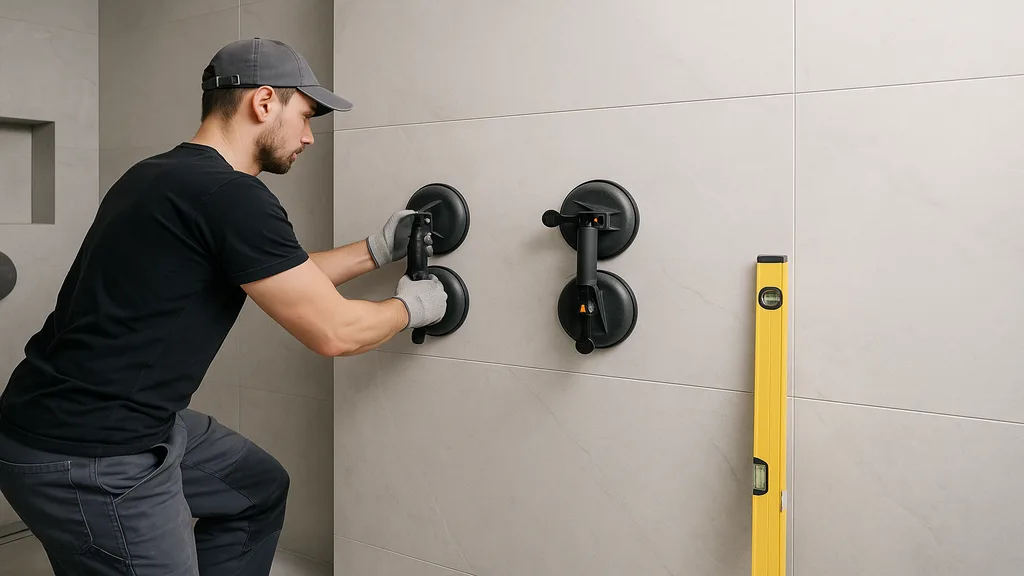
A 600x1200mm porcelain tile weighs 8-12 kilograms and must be handled carefully to prevent breakage before installation. Cuts require a large-format tile saw or manual scoring tool designed for the larger dimensions. Precision cuts around outlets, pipes, and corners require extra care.
Lippage Control
Large-format tile installations require a tile levelling system — mechanical clips and wedges that hold adjacent tiles perfectly flush while the thinset cures. Without a levelling system, even slight differences in mortar bed thickness create visible lippage that catches light and shadow.
Cost Considerations
Large-format tile typically costs 10-20 percent more per square foot than standard-format tile in the same quality range. Installation labour costs are also higher due to substrate preparation, back-buttering, and the levelling system.
For a typical bathroom (40-60 square feet of floor and 80-120 square feet of wall), expect the large-format premium to add $1,500-$3,000 to the total project cost. For the design impact it delivers, I consider this excellent value.
Where Large-Format Works Best
- Bathroom floors and walls — the spa-like effect is most dramatic in bathrooms
- Shower walls — fewer grout lines mean easier cleaning and better waterproofing
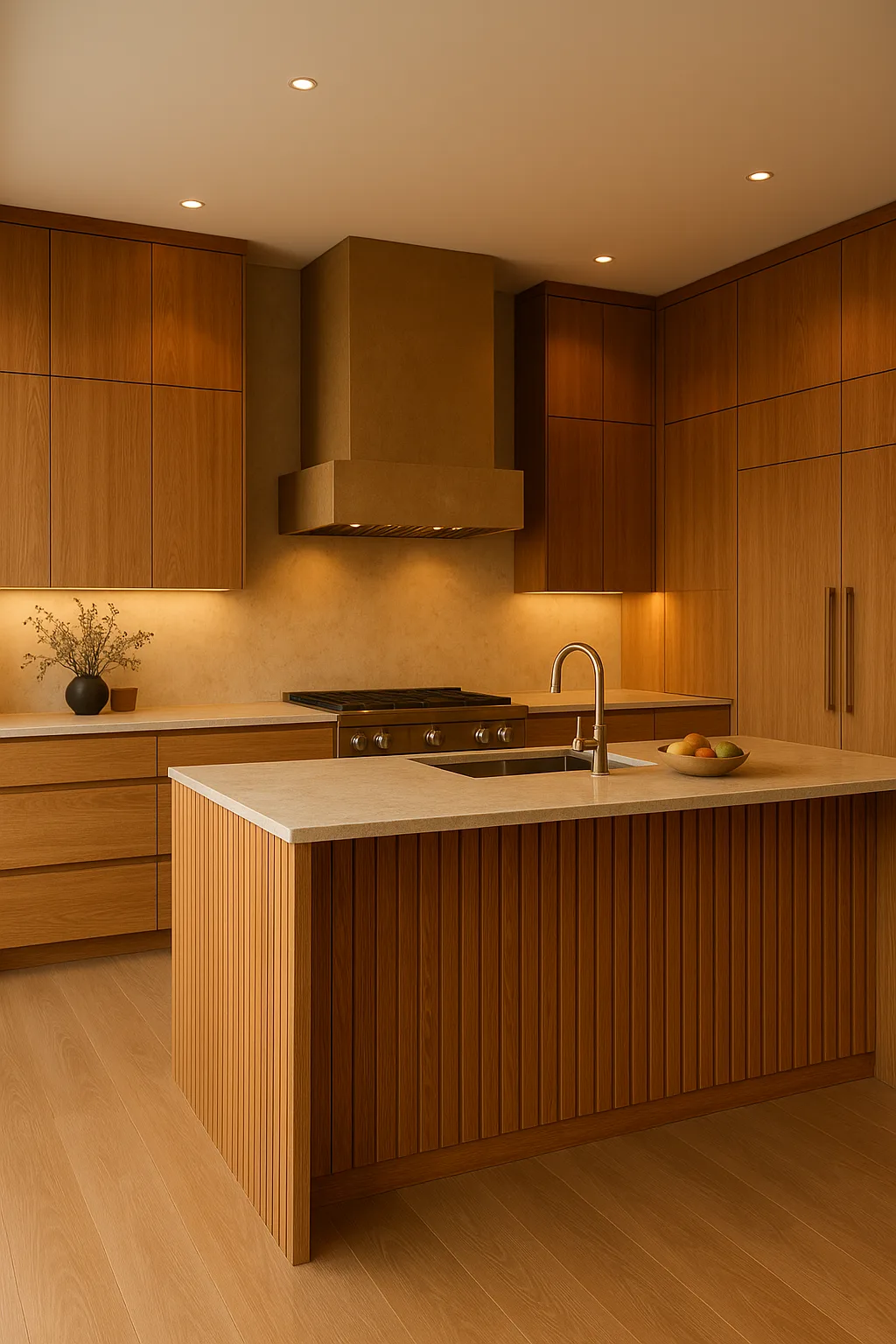
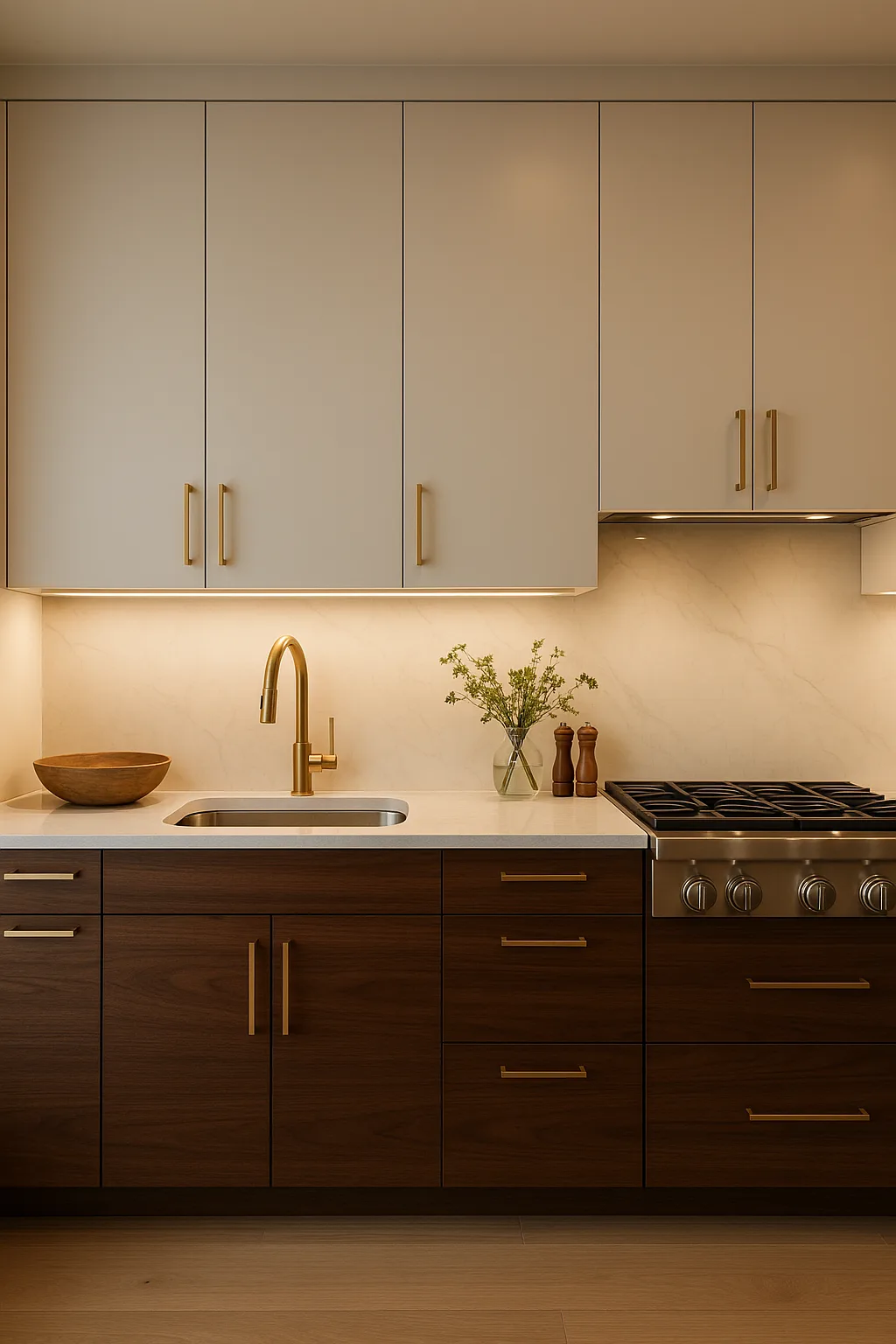
- Kitchen backsplashes — a slab-like backsplash with minimal grout creates a clean backdrop
- Feature walls — in entryways, powder rooms, and fireplace surrounds
- Open-plan floors — continuous large-format tile flowing through multiple rooms creates a sense of expansive unity
The JVR Complete Approach
Large-format tile installation is where experience separates professionals from amateurs. At JVR Complete, every large-format installation includes proper substrate preparation, back-buttering, mechanical levelling systems, and the precision that these tiles demand.
If you are considering large-format tile for your Niagara home renovation, contact us for a design consultation. Explore our luxury tile design and installation services — we will help you select the right tile and ensure it is installed to a standard that does the material justice.