The question comes up in almost every consultation: “Should we renovate this house, or should we just sell and buy something that already has what we want?” It is a legitimate question, and the answer depends on your specific circumstances. But the math often favours renovation — especially in the current Niagara market.
Let me walk you through the actual numbers.
The Cost of Moving
When most people think about the cost of moving, they think about the price difference between their current home and their next one. But the transaction costs of selling and buying a home in Ontario are substantial and often underestimated:
Selling Costs
- Real estate commission: 5% of sale price on average (on a $600,000 home: $30,000)
- Legal fees: $1,500-$2,500
- Staging and preparation: $2,000-$5,000
- Pre-sale repairs and touch-ups: $2,000-$10,000
- Mortgage discharge/break penalty: $1,000-$15,000+ (depending on mortgage terms)
Buying Costs
- Land transfer tax (Ontario): On a $700,000 purchase: approximately $11,475
- Legal fees: $1,500-$2,500
- Home inspection: $500-$700
- Title insurance: $250-$400
- Moving costs: $2,000-$5,000
- Immediate repairs and modifications in the new home: $5,000-$20,000
Total Transaction Costs
For a family selling a $600,000 home and buying a $700,000 home in the Niagara Region, the combined transaction costs typically range from $55,000 to $80,000.
That is $55,000 to $80,000 spent without adding a single square foot of living space, upgrading a single fixture, or improving a single surface. It simply moves you from one address to another.
The Cost of Renovation
For the same $55,000-$80,000, here is what a renovation can accomplish in the current market:
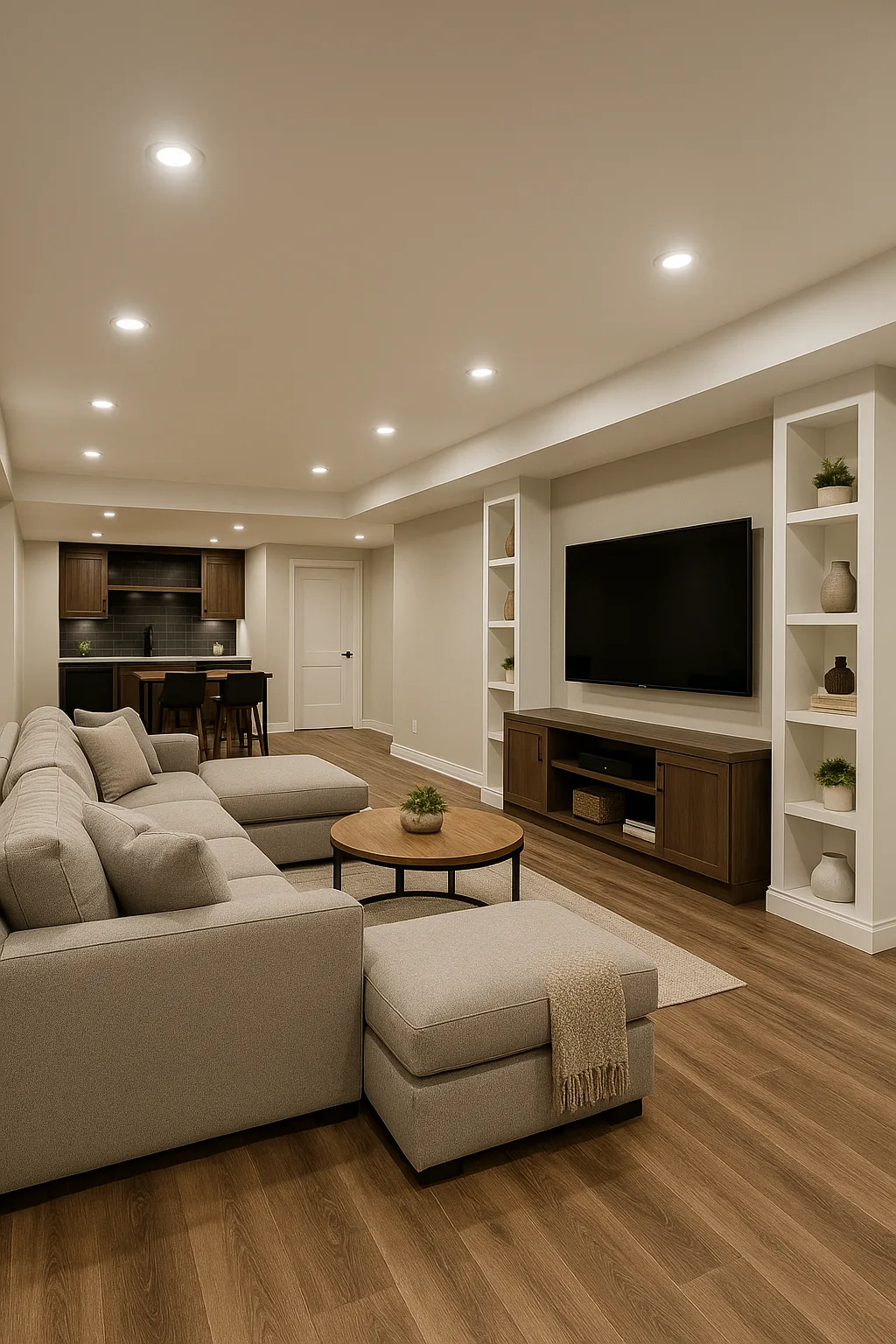
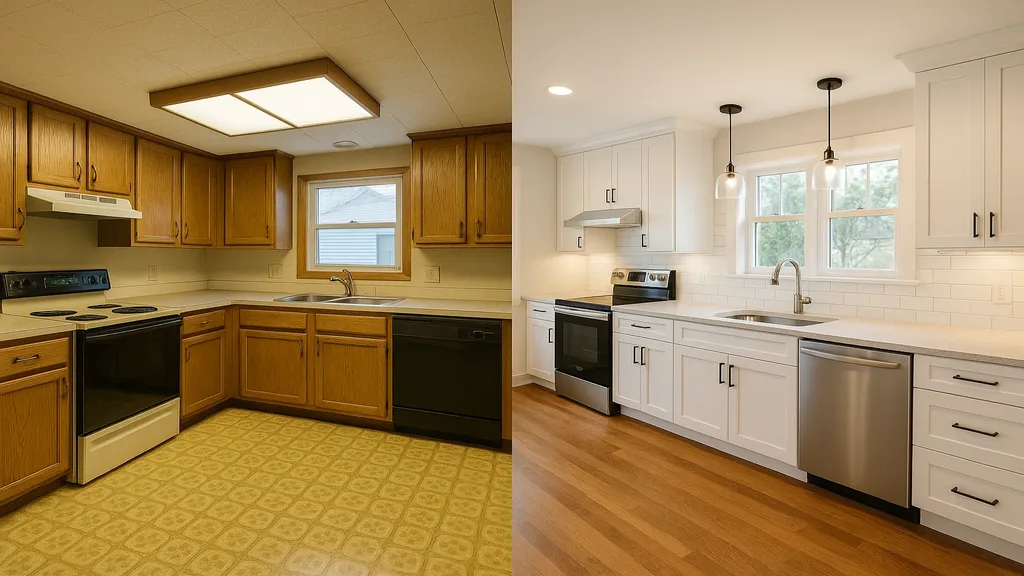
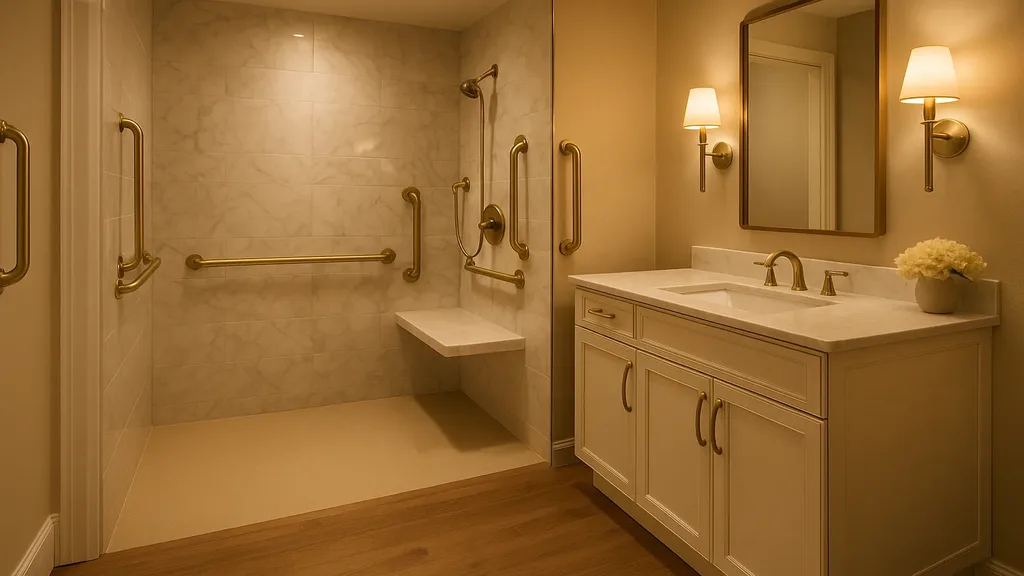
- $55,000: A complete kitchen renovation with premium finishes, OR two full bathroom renovations, OR a finished basement with a bathroom
- $70,000: A kitchen renovation plus a primary bathroom renovation — the two most impactful rooms in any home
- $80,000: A whole-floor transformation — kitchen, bathroom, and flooring throughout the main level
And unlike transaction costs, which disappear the moment the deals close, renovation investment adds tangible value to your property AND improves your daily living experience.
When Renovation Makes Sense
Renovation is typically the better financial choice when:
- You like your neighbourhood — location is the one thing you cannot renovate
- Your home is structurally sound — good bones but dated finishes
- You need more function, not more space — a modern kitchen, updated bathrooms, a finished basement
- Your mortgage rate is locked in — selling and buying means renegotiating at current (likely higher) rates
- You have built equity — reinvesting in your current home leverages existing equity rather than redistributing it through transaction costs
- Schools, commute, and community ties keep you rooted in your current area
When Moving Makes Sense
Moving is typically the better choice when:
- You need significantly more space — adding a third bathroom and two bedrooms through an addition can cost more than buying a larger home
- Your home has fundamental problems — foundation issues, flood zone, irreparable structural damage
- The neighbourhood no longer fits — safety concerns, school quality changes, community changes
- You are downsizing — selling a large family home to purchase a smaller, more manageable property
- You want a specific feature — waterfront property, acreage, walkable urban living — that your current location cannot provide
The Niagara-Specific Factor
The Niagara Region housing market adds another dimension to this analysis. With median prices in St. Catharines around $600,000 and the market transitioning to a buyer-friendly position, homeowners who stay and renovate benefit from:
- Stable property values that will appreciate over the next 3-5 years as the market recovers
- Lower renovation costs than the GTA (15-25% less for equivalent scope)
- Established neighbourhoods with mature trees, walkability, and community character that newer developments lack
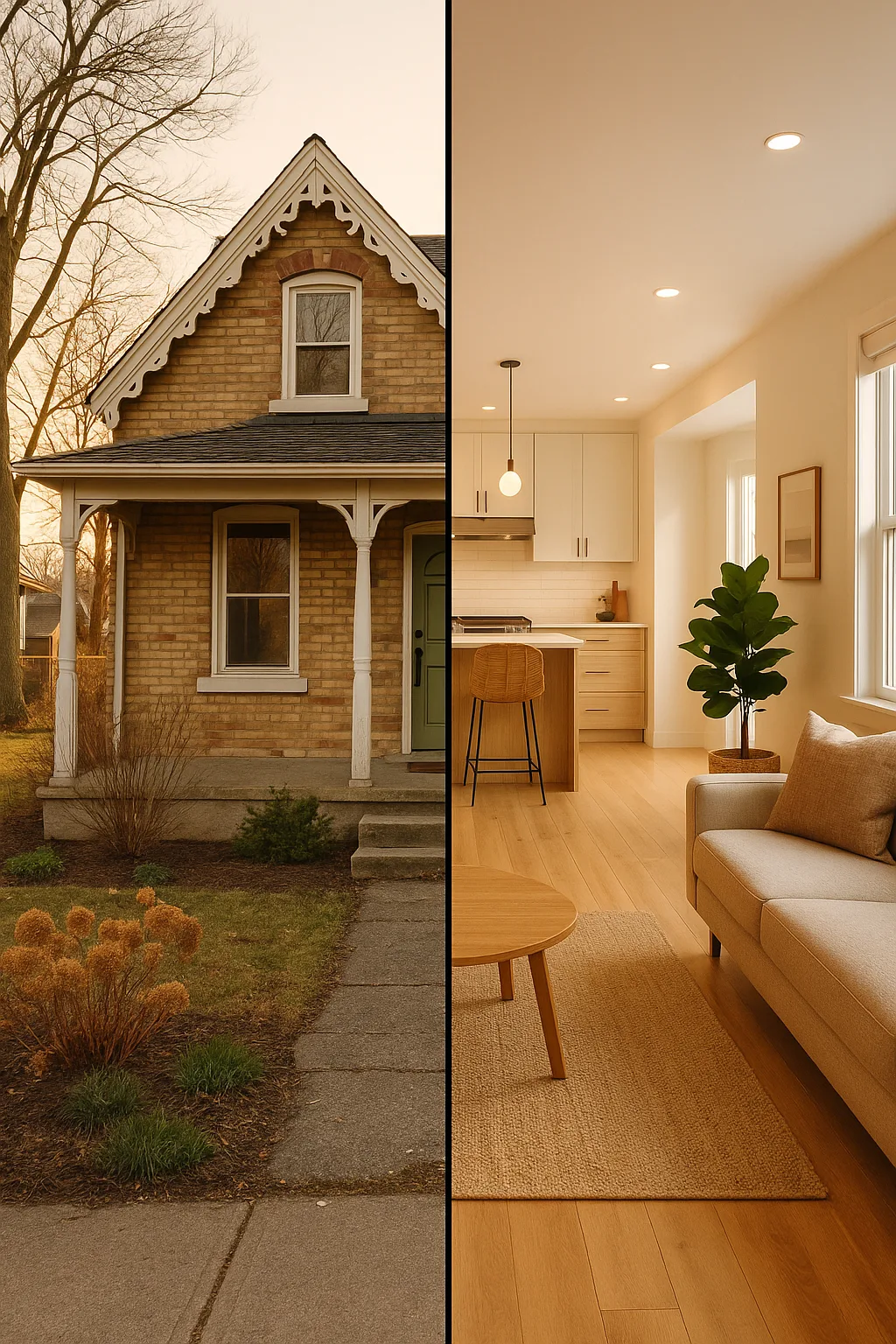
- Heritage housing stock that gains character with thoughtful renovation rather than depreciating
A Practical Framework
Before deciding, run this comparison:
- List what you want to change about your current home (be specific — kitchen, bathrooms, storage, layout)
- Get renovation estimates for those specific changes
- Research what the “ideal next home” would cost in your preferred neighbourhood
- Calculate the total transaction costs of selling and buying
- Compare: Is the renovation cost less than the transaction costs plus the price premium of the new home?
In most cases I see in the Niagara Region, the renovation wins — often decisively.
If you are weighing renovation versus moving, contact JVR Complete for a consultation. We will provide a realistic assessment of what your current home can become and help you make the decision with clear numbers, not guesswork.