The 2024 Ontario Building Code (O. Reg. 88/24) came into effect on January 1, 2025, replacing the previous 2012 code. This is the most significant update to Ontario’s building regulations in over a decade, with more than 1,700 individual revisions that affect everything from insulation requirements to fire safety standards.
For homeowners planning renovations, several of these changes have direct implications for project scope, cost, and compliance.
Key Changes Affecting Residential Renovations
Enhanced Insulation Requirements
The new code significantly increases minimum insulation values for building envelopes. For renovations that involve opening walls, ceilings, or floors, the exposed areas must meet the updated standards:
- Above-grade walls: Minimum effective R-value increased. The specific requirement depends on the wall assembly type and climate zone.
- Attics: R-60 minimum for most of Ontario (up from R-50 in the previous code for some applications)
- Below-grade walls: Updated requirements for basement wall insulation, affecting basement finishing projects
What this means: If your renovation involves opening exterior walls (for electrical, plumbing, or structural work), the exposed areas must be brought up to the new insulation standard. This may add $500-$2,000 to a project that involves wall modifications, but it reduces long-term energy costs.
Radon Depressurization Rough-In
The 2024 OBC requires all new construction and applicable renovations to include a radon depressurization rough-in — a capped pipe extending from the sub-slab to the attic, ready to accept a fan if future radon testing indicates elevated levels.
What this means: Basement finishing projects that involve new slab work may need to include this rough-in. The cost is minimal ($200-$400) during construction but would be significantly more if retrofitted later. Radon is a real concern in parts of the Niagara Region, so this is a sensible precaution.
Updated Fire Safety Standards
The new code updates fire separation requirements between dwelling units, which affects secondary suite construction:
- Enhanced fire separation assemblies with more rigorous testing requirements
- Updated requirements for fire-rated doors and closures
- Interconnected smoke and carbon monoxide alarm requirements expanded
- Sprinkler requirements for certain building types
What this means: If you are building a secondary suite, the fire separation requirements may be slightly more rigorous under the new code. Work with a contractor who is current on these requirements.
Barrier-Free Accessibility
The 2024 OBC includes expanded accessibility requirements, reflecting Ontario’s Accessibility for Ontarians with Disabilities Act (AODA) targets:
- Updated requirements for barrier-free paths of travel
- Wider doorway and corridor requirements in certain situations
- Enhanced requirements for accessible washrooms in new construction
- Updated requirements for visual contrast and signage
What this means: While most of these requirements apply primarily to new construction and commercial buildings, the spirit of the changes is relevant for residential renovations — particularly aging-in-place projects where accessibility is the primary goal.
Energy Efficiency (SB-12)
Supplementary Standard SB-12 (Energy Efficiency for Housing) has been updated to align with the National Energy Code of Canada. Key changes include:
- Higher-performance window requirements
- Improved air tightness targets
- Updated mechanical ventilation requirements (HRV/ERV systems)
- Enhanced hot water system efficiency requirements
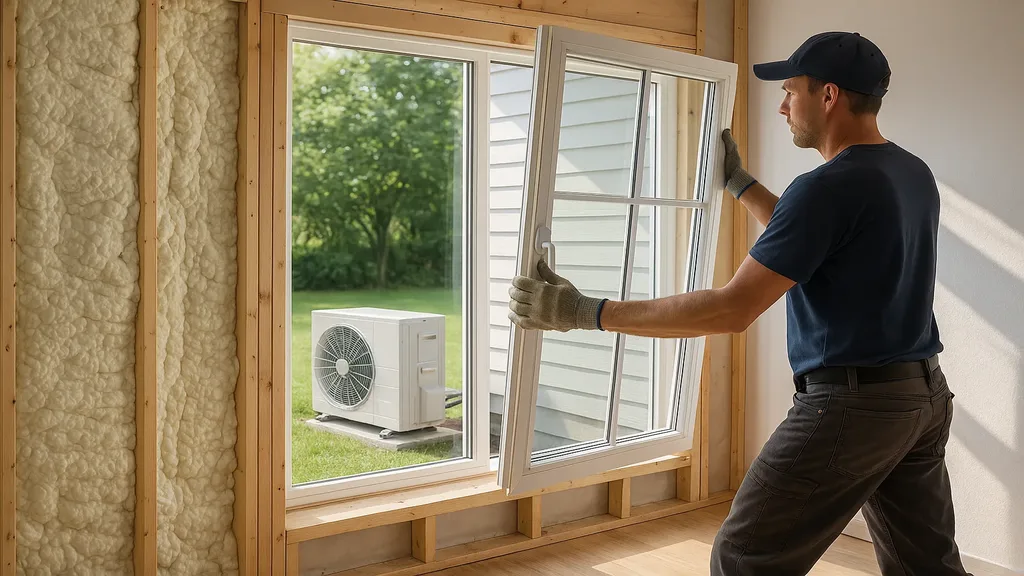
What this means: New windows and mechanical systems installed during renovations must meet the updated efficiency standards. This may affect your window selection and HVAC planning.
How This Affects Your Renovation Budget
The practical impact on most renovation budgets is modest — typically 3-8% increase due to:
- Higher-performance insulation materials ($500-$2,000 depending on scope)
- Radon rough-in if applicable ($200-$400)
- Updated fire safety components for secondary suites ($500-$1,500)
- Higher-performance windows if replacement is included ($100-$200 per window premium)
These costs are offset by long-term energy savings, improved safety, and the assurance that your renovation meets the most current standards.
The Transition Period
Projects that had permits issued under the previous code may continue under those requirements. New permit applications must comply with the 2024 OBC. If you are in the planning phase, your project will be subject to the new code.
Why It Matters
Building codes exist to protect you. Every update reflects lessons learned — from building science research, fire safety incidents, energy efficiency analysis, and accessibility advocacy. A renovation built to the current code is safer, more efficient, and more valuable than one built to outdated standards.
At JVR Complete, we stay current on every code update because compliance is not optional — it is part of building correctly. If you have questions about how the 2024 Ontario Building Code affects your planned renovation, contact us for guidance.