Energy costs in Ontario have increased significantly over the past decade, and Niagara’s climate demands robust heating for 5-6 months of the year. For homeowners planning a renovation, integrating energy efficiency upgrades into the project scope is one of the smartest investments available.
The reason is simple: when walls are already open during a renovation, adding insulation, sealing air leaks, and upgrading mechanical systems costs a fraction of doing the same work as a standalone project. The incremental cost is low, and the payback through reduced energy bills is measurable.
The Biggest Impact: Air Sealing
Before discussing insulation types or furnace upgrades, understand this: the single most impactful energy efficiency measure is air sealing. Sealing the gaps, cracks, and penetrations where heated air escapes and cold air infiltrates can reduce heating costs by 15-25 percent.
Common air leakage points in Niagara homes:
- Gaps around electrical outlets and switch boxes on exterior walls
- Penetrations where plumbing, electrical, and HVAC pass through walls, floors, and ceilings
- Window and door frames (especially in older homes where caulking has degraded)
- The rim joist area (where the foundation meets the floor framing — often completely uninsulated and unsealed in older homes)
- Attic access hatches (typically uninsulated and poorly sealed)
- Recessed light fixtures that penetrate the attic insulation envelope
During a renovation, we seal every accessible penetration with expanding foam, caulk, or fire-rated sealant as a matter of course. This attention to air sealing is invisible in the finished product but makes a measurable difference in energy performance.
Insulation Upgrades
When walls are open, insulation upgrades are straightforward and cost-effective:
Spray Foam Insulation
Closed-cell spray foam provides the highest R-value per inch (R-6 to R-7) and simultaneously acts as an air barrier and vapour retarder. It is ideal for rim joist areas, cathedral ceilings, and exterior walls where space is limited. The cost premium over fibreglass batt is significant, but the performance advantage is substantial.
Mineral Wool Batt (Roxul/Rockwool)
Mineral wool has become my preferred batt insulation. It provides R-15 in a 2x4 wall (compared to R-12 for fibreglass), is fire-resistant (non-combustible), provides excellent sound insulation, and does not lose R-value when wet. It also does not itch during installation, which makes my crew happy.
Blown-In Cellulose
For attic top-ups, blown-in cellulose is cost-effective and provides excellent coverage over existing insulation. Niagara homes should have a minimum R-60 attic insulation to meet current Ontario Building Code requirements.
Windows
Replacing windows during a renovation makes financial sense when:
- Existing windows are single-pane (common in homes built before 1980)
- Existing windows have failed seals (foggy between panes, indicating the argon gas has escaped)
- Existing frames are deteriorated (wood rot, warped vinyl, failed weatherstripping)
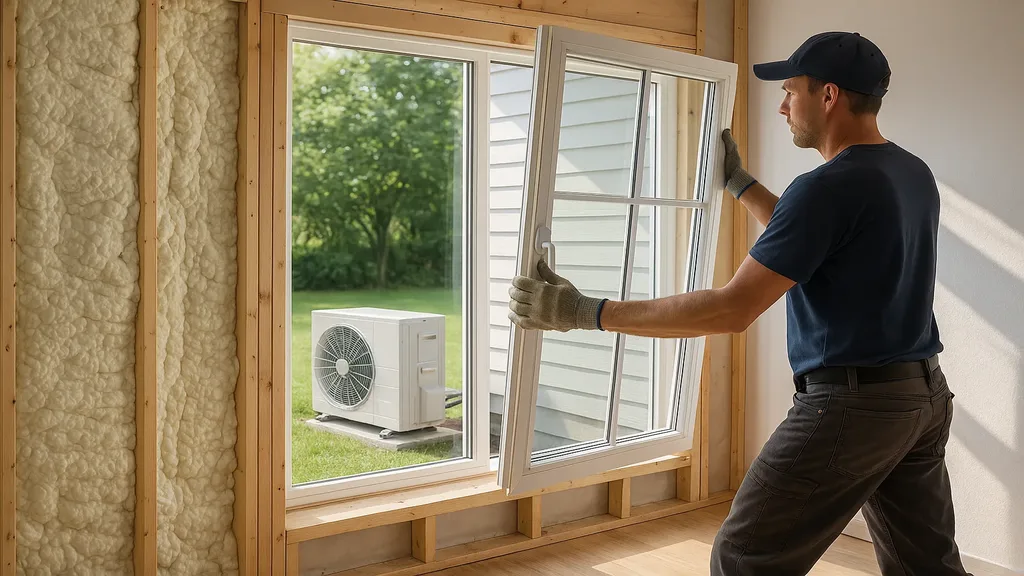
Modern Energy Star-rated windows for Ontario’s climate zone use triple-pane glass with two low-E coatings and argon or krypton gas fill. They can reduce window-related heat loss by 40-50 percent compared to older double-pane windows.
However, windows are expensive ($500-$1,500+ per window, installed), and the energy payback period is long (10-20 years). I recommend replacing windows during a renovation when they are already due for replacement, but I do not recommend replacing functional double-pane windows solely for energy savings.
Heating System Upgrades
If your home still has a standard-efficiency furnace (80% AFUE) installed before 2010, upgrading during a renovation can yield significant savings:
- High-efficiency furnace (96-98% AFUE): captures almost all heat from natural gas combustion. Annual savings of $400-$800 depending on home size and usage.
- Air-source heat pump: an increasingly popular option in Ontario’s climate, especially when combined with a gas furnace (dual-fuel system). Heat pumps provide 2-3x the heating output per unit of electricity compared to electric resistance heating.
- Ductless mini-split: ideal for additions, finished basements, and zones that are difficult to connect to existing ductwork. Provides both heating and cooling with very high efficiency.
Ontario Rebates and Incentives
Ontario offers various rebate programs that offset the cost of efficiency upgrades:
- Enbridge Home Efficiency Rebate: rebates for insulation, air sealing, windows, and heating upgrades
- Canada Greener Homes Grant: federal grants up to $5,000 for eligible efficiency improvements (subject to program availability)
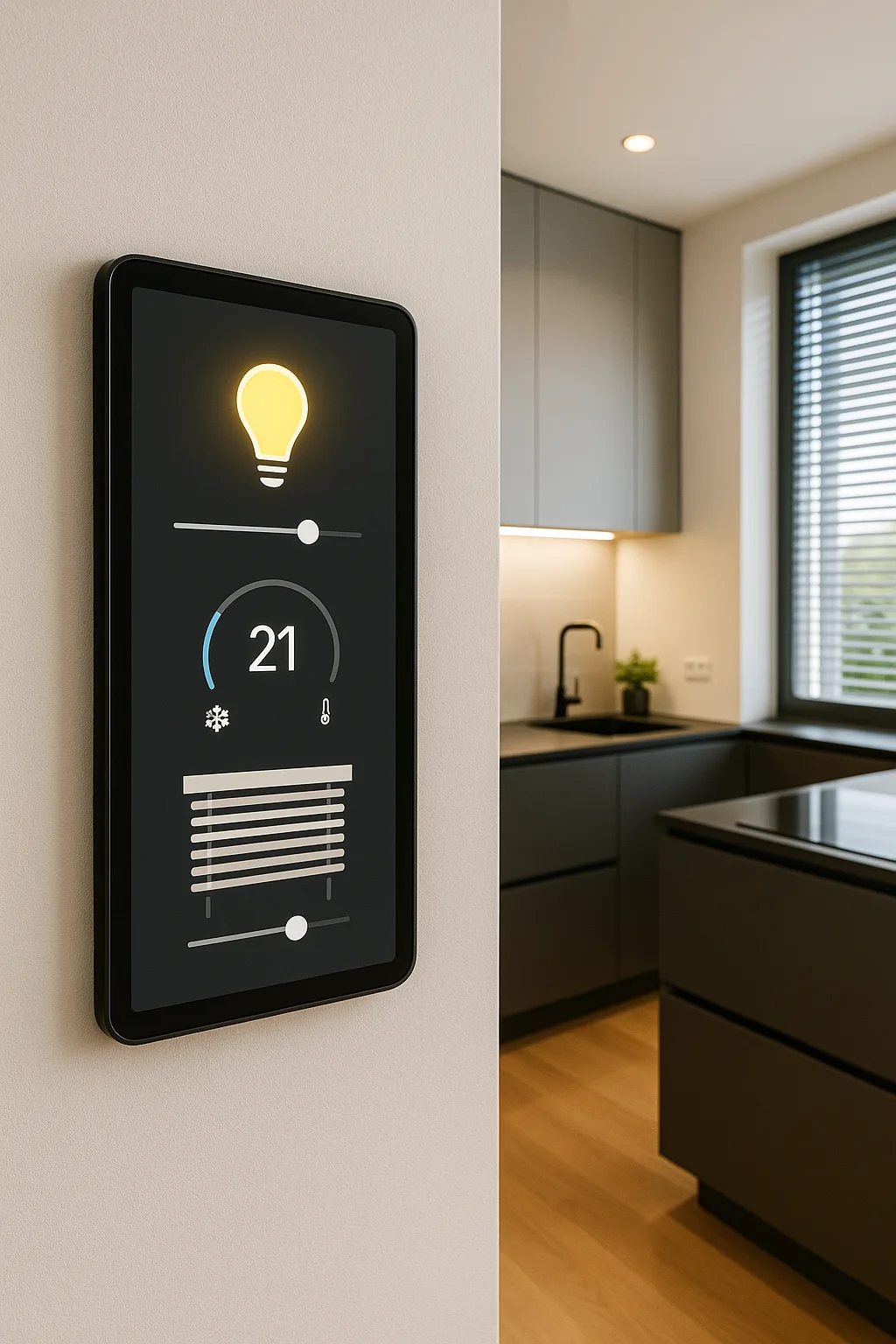
- Utility company rebates: local utilities often offer rebates for smart thermostats and specific equipment upgrades
I recommend checking current program availability when planning your renovation, as these programs change periodically.
The JVR Complete Approach
Energy efficiency is not a separate category at JVR Complete — it is integrated into every renovation. When we open walls, we insulate. When we access the rim joist, we seal and insulate. When we install new electrical, we seal every penetration. These practices cost relatively little when done during a renovation but provide lasting benefits in comfort and energy savings.
Contact JVR Complete to discuss how energy efficiency can be integrated into your next renovation project, whether it is a whole-home renovation or a targeted upgrade.