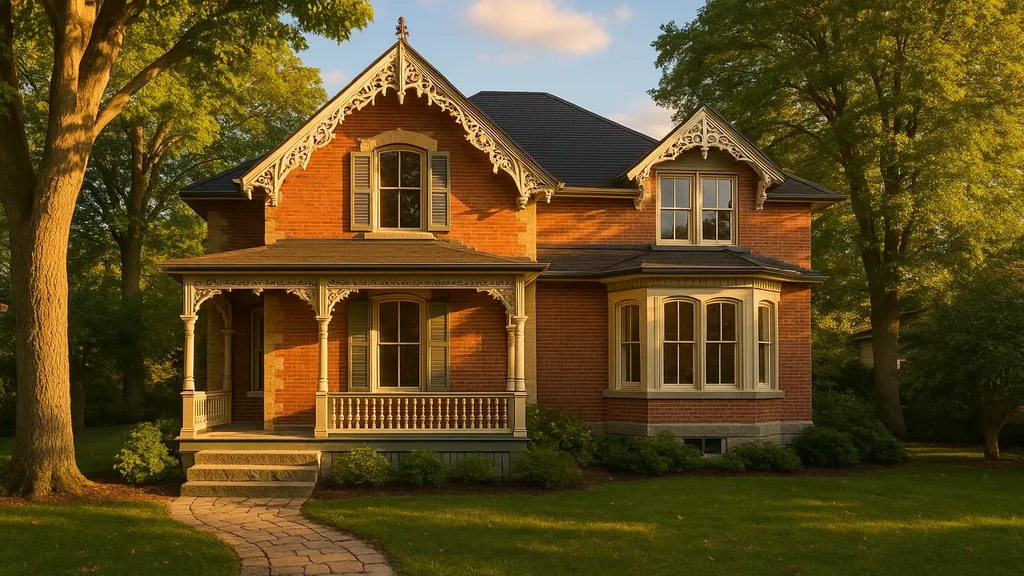
The Niagara Region possesses one of Ontario’s richest collections of heritage architecture. Walk through the streets of old Niagara-on-the-Lake, explore the historic core of St. Catharines, or drive through the farmland communities of Lincoln and Pelham, and you will encounter Victorian mansions, Edwardian cottages, Georgian stone houses, and Colonial-era farmsteads that have stood for a century or more.
These homes represent irreplaceable architectural heritage. Renovating them requires a fundamentally different approach than renovating a 1990s suburban house.
The Heritage Renovation Philosophy
Every heritage renovation involves a negotiation between preservation and modernization. The homeowner wants a functional, comfortable, energy-efficient home. The building has historical significance that deserves respect.
At JVR Complete, our approach resolves this tension through a clear principle: modernize the systems, preserve the character.
This means we update plumbing, electrical, insulation, and mechanical systems to current standards while leaving — and where necessary, restoring — the architectural features that define the home’s character: original millwork, period-appropriate window proportions, plaster walls, hardwood floors, and the room proportions that give heritage homes their distinctive sense of space.
Key Challenges in Heritage Renovation
Working with Existing Structures
Heritage homes were built with materials and methods that differ from modern construction. Plaster-over-lath walls, balloon framing, hand-hewn timber joists, and rubble stone foundations all require different treatment than contemporary drywall-on-stud construction.
We work with these materials rather than against them. Plaster that can be repaired is repaired with lime-based plaster (not gypsum compound, which is incompatible with old lime mortar). Original timber that is structurally sound is reinforced, not replaced. Stone foundations are repointed with lime mortar, not Portland cement (which is too rigid and causes spalling).
Matching Period Details
When original millwork, trim, or architectural features are damaged beyond repair, replacements must match the original profiles. This often requires custom milling — running new moulding through a shaper or router table set to match a template taken from the existing trim.
Off-the-shelf trim from a building supply store will not match the profiles used in a Victorian or Edwardian home. The proportions, curves, and details are specific to the era and often to the individual house.
Hidden Hazards
Heritage homes commonly contain materials that require careful handling:
- Lead paint (pre-1978): must be encapsulated or removed by qualified workers following Ontario regulations
- Asbestos (insulation, floor tiles, pipe wrap, textured coatings): must be identified and managed according to Ontario Regulation 278/05
- Knob-and-tube wiring: must be replaced before insulation can be added to wall cavities
- Outdated plumbing (galvanized steel, lead solder joints): should be replaced during renovation
Ontario Heritage Act Compliance
Homes designated under the Ontario Heritage Act or located within a Heritage Conservation District require heritage permits for exterior modifications. The permit process involves review by the municipal heritage committee and ensures that changes are compatible with the building’s heritage character.
Interior renovations typically do not require heritage permits, but exterior changes — including windows, doors, siding, and additions — must be reviewed and approved.
As of January 2026, St. Catharines no longer charges fees for most heritage permit applications, making the process more accessible for homeowners.
Design Strategies for Heritage Homes
Kitchens
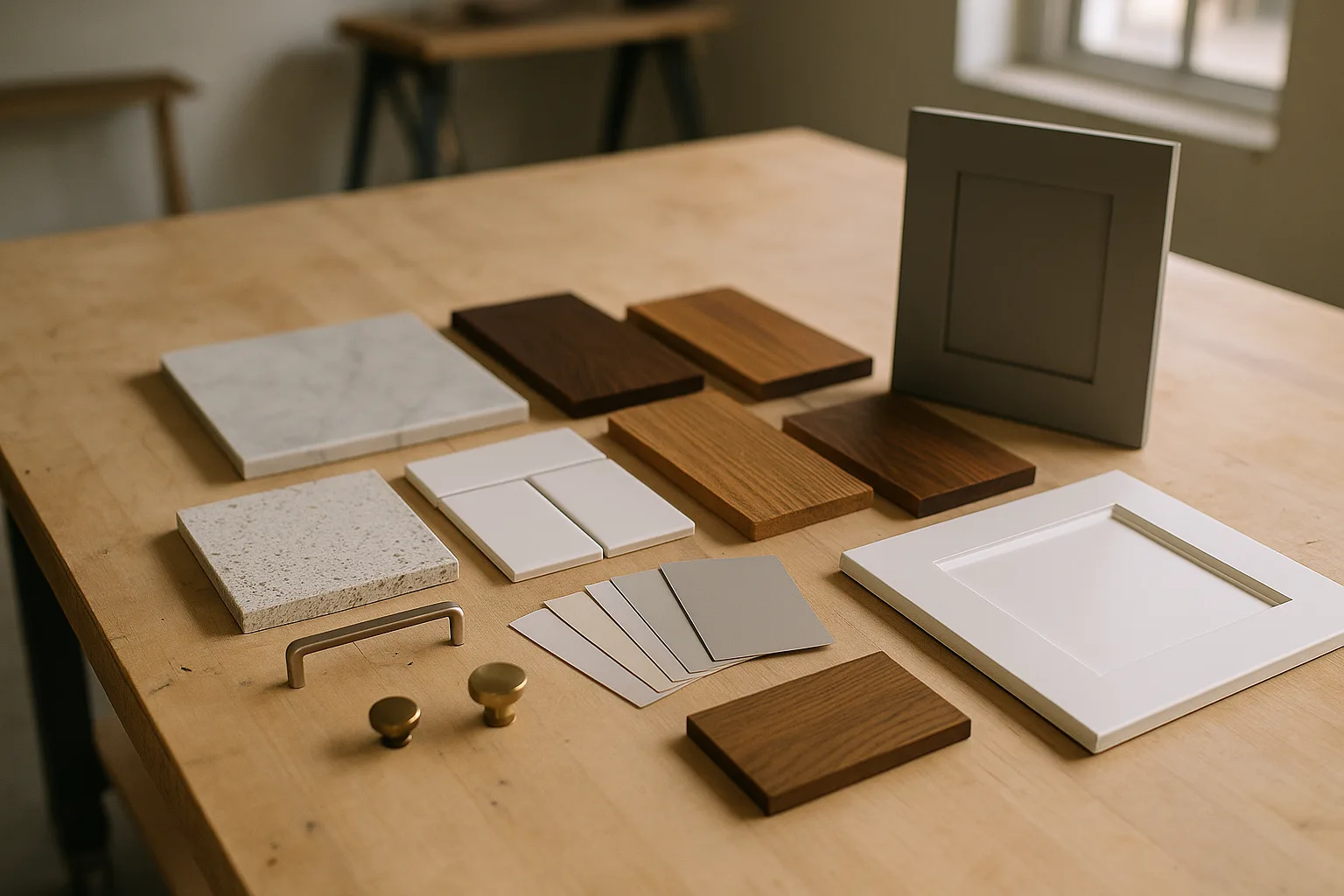
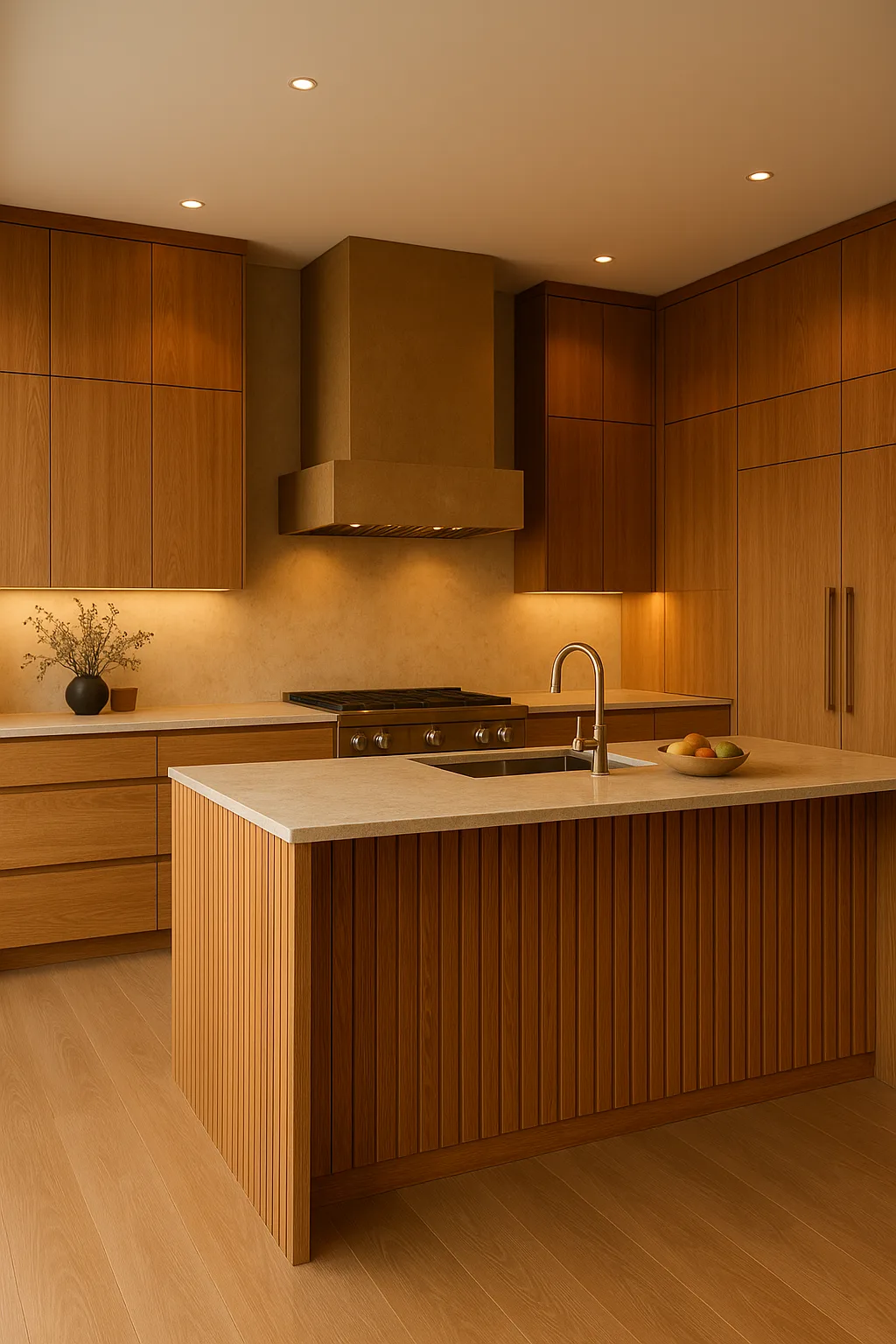
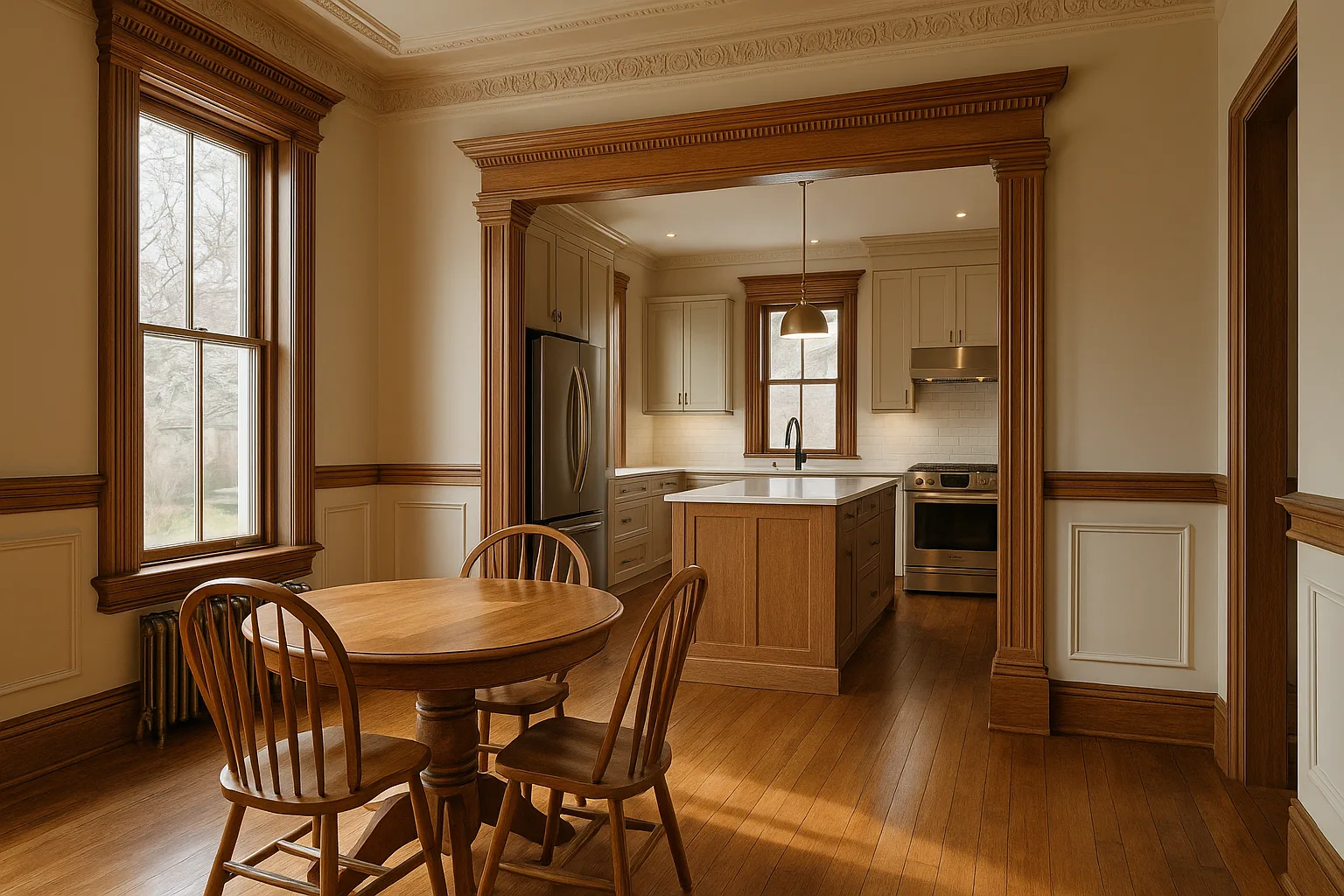
Modern kitchens in heritage homes succeed when they blend contemporary functionality with period-appropriate aesthetics. Inset cabinet doors (rather than overlay) reference traditional cabinetry. Crown moulding that matches the home’s existing profiles creates continuity. Modern appliances are integrated behind custom panel fronts that maintain the visual character.
Bathrooms
Heritage bathrooms benefit from period-inspired fixtures — pedestal sinks, clawfoot or slipper tubs, subway tile and hexagonal floor tile — combined with modern waterproofing, heated floors, and quality ventilation. The aesthetic is vintage; the performance is contemporary.
Openings and Flow
Resist the urge to open heritage homes into completely open-concept spaces. The room proportions and doorway placements in heritage homes are part of their architectural character. Widening doorways, adding transoms, or creating visual connections through cased openings can improve flow while maintaining the sense of defined rooms that heritage homes are designed to provide.
Why Heritage Homes Are Worth the Extra Effort
Heritage homes offer qualities that new construction cannot replicate: solid masonry walls, hand-crafted millwork, room proportions designed for natural light and ventilation, and a connection to the community’s history that gives the home meaning beyond its market value.
With knowledgeable renovation, these homes provide modern comfort within a framework of architectural beauty that will endure for another century.
If you own a heritage home in the Niagara Region and are considering a heritage renovation, contact JVR Complete for a consultation. We will approach your home with the respect it deserves and the expertise it demands.