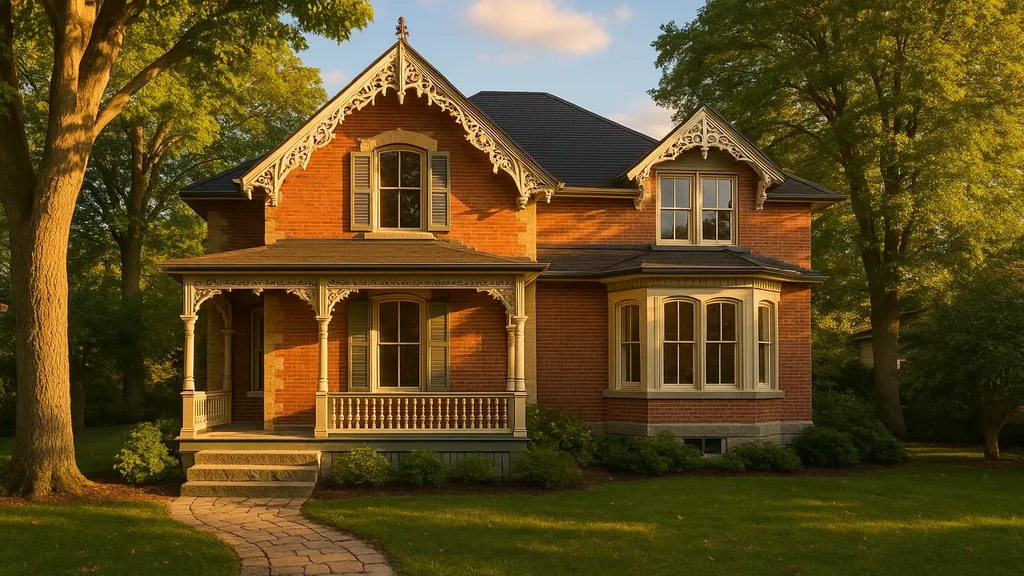
The Niagara Region is home to some of Ontario’s most beautiful heritage architecture. Victorian mansions in Niagara-on-the-Lake, Edwardian bungalows in old St. Catharines, Georgian stone farmhouses in rural Lincoln — these homes tell the story of the region’s history in brick, stone, and timber.
Renovating them is a privilege and a challenge in equal measure.
The Heritage Renovation Paradox
Every heritage renovation presents the same fundamental tension: the homeowner wants modern functionality (an open kitchen, updated bathrooms, reliable heating) while preserving the character that made them fall in love with the home in the first place.
This tension is not a problem to solve — it is a balance to achieve. And achieving it requires a contractor who understands both sides of the equation.
What Makes Heritage Renovation Different
Structural Surprises
Century homes were built with construction methods and materials that differ dramatically from modern building practices. Balloon framing, rubble stone foundations, hand-cut timber joists, and lime mortar are common in Niagara’s older homes.
When you open a wall in a century home, you may find:
- No insulation whatsoever — just plaster over lath over studs
- Knob-and-tube wiring that needs to be replaced before any insulation can be added
- Lead paint on original trim and walls (common in homes built before 1978)
- Asbestos in old pipe insulation, floor tiles, or textured ceilings
- Original plumbing with galvanized steel pipes corroded from decades of use
- Structural settling that has shifted door frames, window openings, and floor levels
None of these are deal-breakers, but each one needs to be identified early and planned for in the project scope and budget.
Ontario Heritage Act Considerations
If your home is designated under the Ontario Heritage Act — or located in a Heritage Conservation District (common in Niagara-on-the-Lake and parts of St. Catharines) — you may need heritage permits for exterior modifications.
Heritage permits govern changes to:
- The building’s exterior appearance (windows, doors, cladding, roofing)
- Architectural details visible from the street (trim, mouldings, porches)
- New additions that change the building’s profile
- Demolition of any heritage-designated structure or feature
Interior renovations typically do not require heritage permits unless they affect the exterior appearance. However, it is always worth checking with your municipality’s heritage committee before beginning work.
Good news for St. Catharines homeowners: as of January 2026, the city no longer charges fees for most heritage permit applications, removing a financial barrier to responsible heritage renovation.
Matching Materials and Techniques
Preserving the character of a century home means matching original materials as closely as possible. This is where expertise matters:
- Plaster repair using lime-based plaster rather than modern gypsum compounds (lime plaster is more flexible and compatible with old masonry)
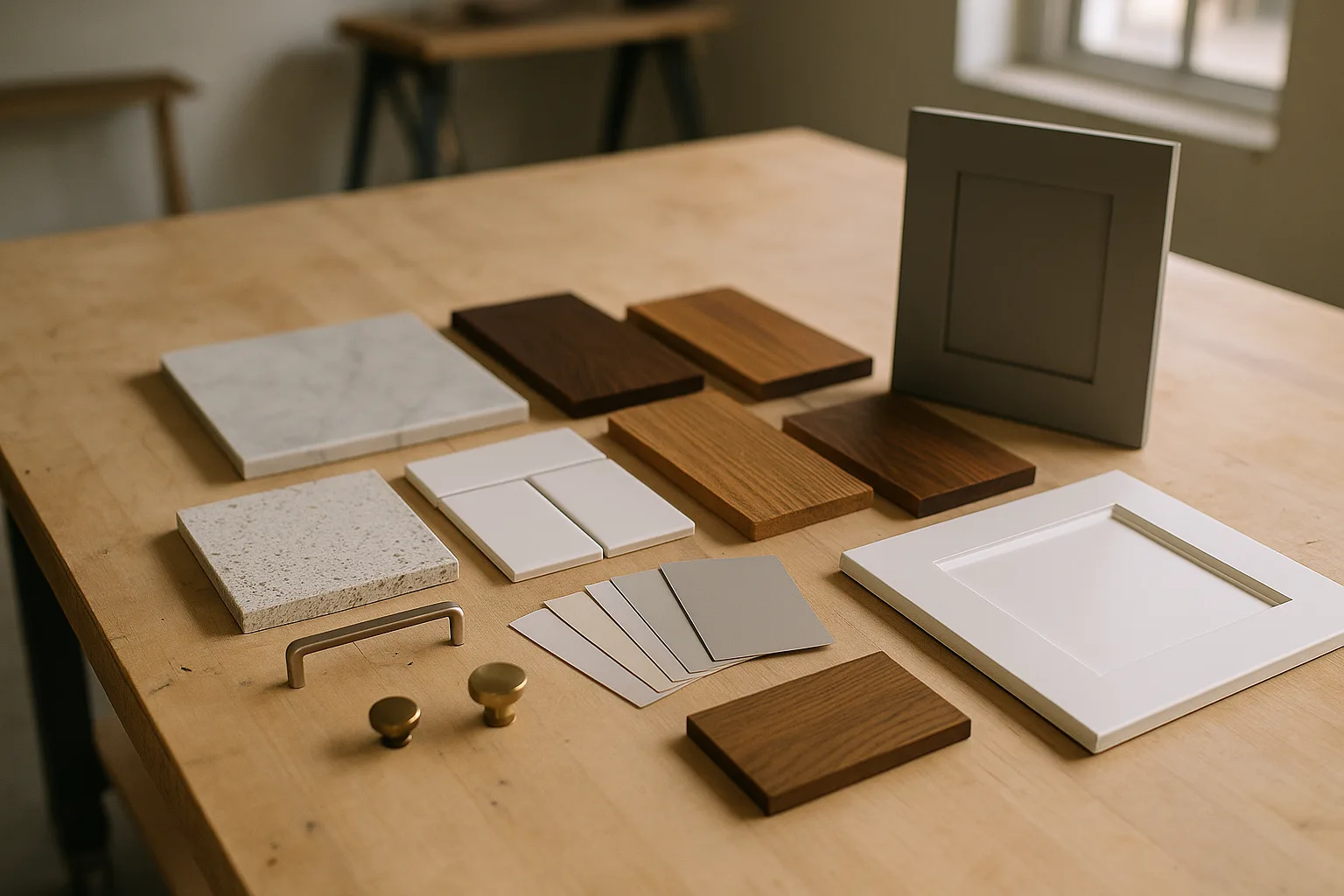
- Trim replication using custom-milled profiles that match original mouldings
- Period-appropriate tile for kitchen and bathroom renovations (subway tile, hexagonal mosaic, and penny round patterns are historically accurate for many era-specific homes)
- Sympathetic window replacement that maintains the original window proportions and sash style
- Lime mortar repointing for brick and stone exteriors (Portland cement mortar is too rigid for old masonry and causes brick spalling)
The JVR Complete Approach to Heritage Homes
My approach to heritage renovation follows a simple principle: modernize the systems, preserve the character.
This means:
- Replacing knob-and-tube wiring with modern electrical while preserving original baseboards and trim by fishing wires through existing wall cavities
- Adding insulation from the interior without altering the exterior brick or stone appearance
- Installing modern plumbing within the existing wall and floor structure
- Restoring original wood trim, doors, and hardware rather than replacing them with modern equivalents
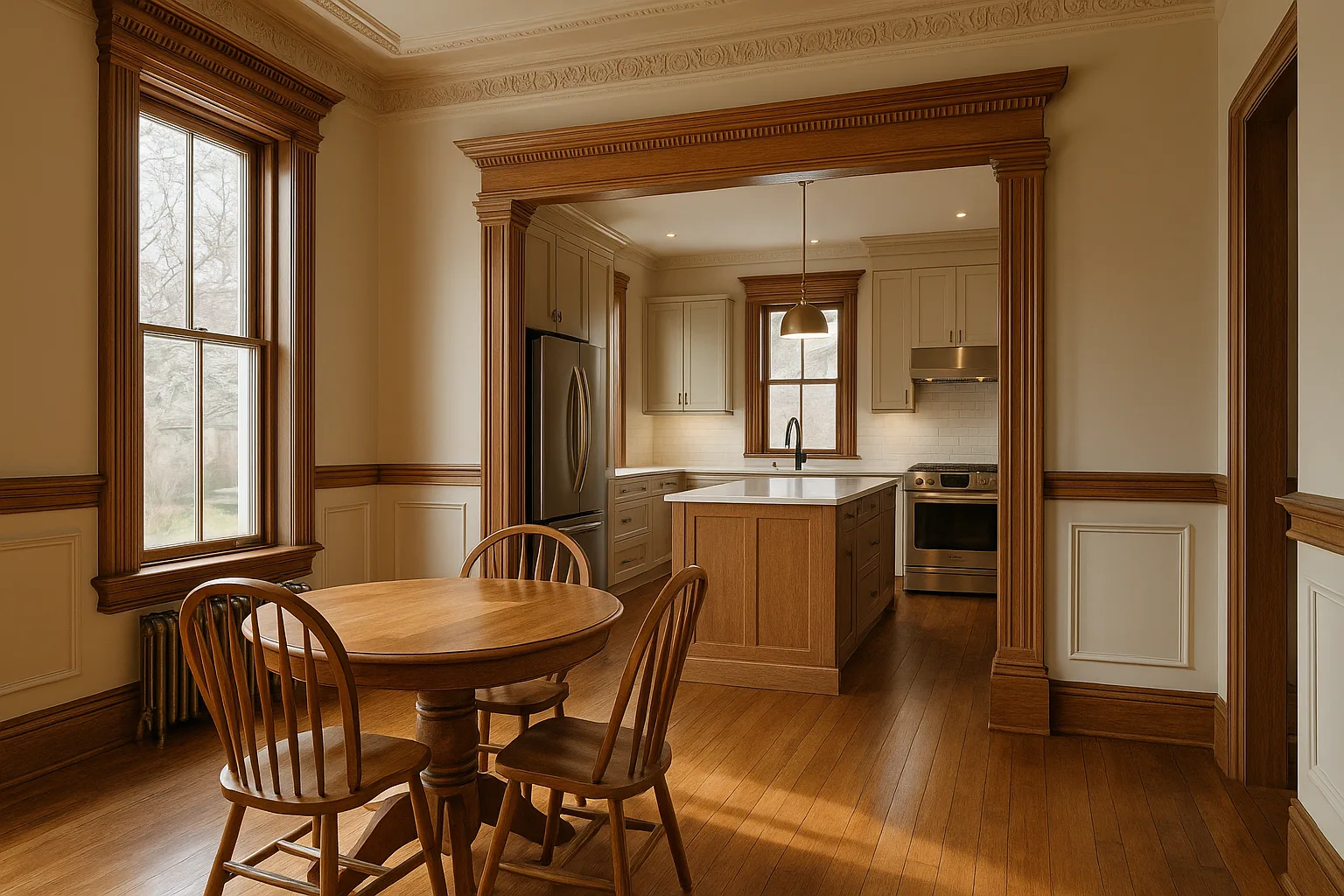
- Designing new kitchens and bathrooms that respect the home’s era while providing full modern functionality
Budgeting for Heritage Renovation
Heritage renovations typically cost 15 to 30 percent more than equivalent work in a modern home, primarily due to:
- Discovery costs: you genuinely do not know what is behind the walls until you open them
- Remediation: lead paint abatement, asbestos removal, and knob-and-tube replacement add cost
- Material matching: period-appropriate materials and custom millwork cost more than standard products
- Labour intensity: working within existing structures requires more careful, time-consuming methods
I always recommend a contingency budget of 15 to 20 percent for heritage projects — higher than the standard 10 percent for modern homes.
Why Heritage Homes Are Worth It
Despite the additional complexity and cost, heritage home renovations are among the most rewarding projects I undertake. There is something deeply satisfying about bringing a 120-year-old kitchen into the 21st century while preserving the original crown moulding, restoring the hardwood floors, and maintaining the architectural character that makes the home irreplaceable.
These homes have survived a century. With careful, knowledgeable renovation, they will thrive for another.
If you own a heritage home in the Niagara Region and are considering a heritage renovation, contact JVR Complete to discuss your project. I would be glad to assess your home and develop a plan that honours its history while building its future.