Countertop selection is one of the most agonized-over decisions in any kitchen renovation. It is also one of the most important — your countertops are the largest continuous surface in the kitchen, and they define the space’s character more than almost any other element.
After installing hundreds of countertops across the Niagara Region, here is my honest comparison of the four most popular materials.
Quartz (Engineered Stone)
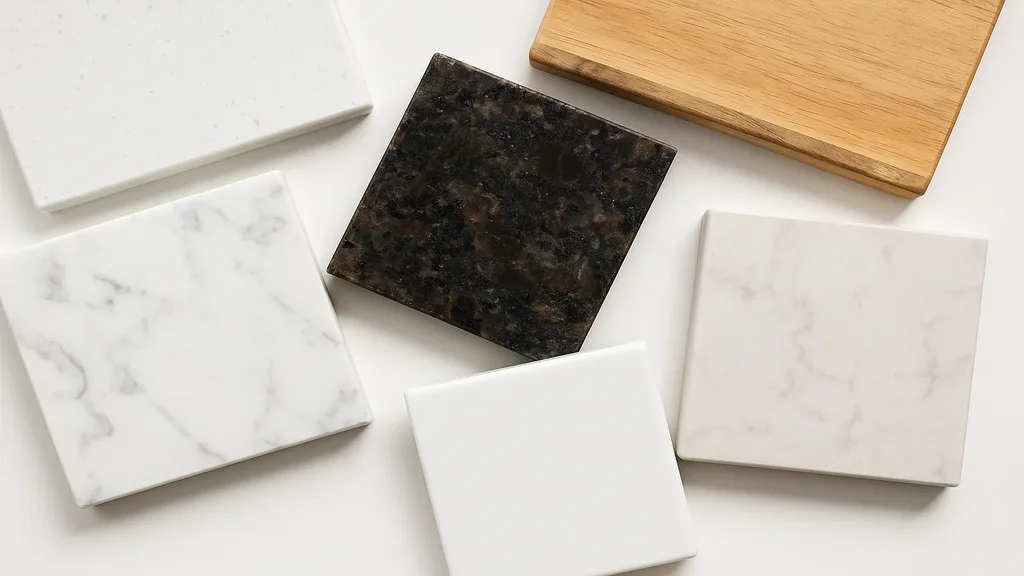
What it is: A manufactured surface made from approximately 90-94% ground natural quartz crystals bound with polymer resins and pigments.
Why homeowners choose it: Quartz offers the look of natural stone with significantly less maintenance. It is non-porous, so it never needs sealing. It resists staining from coffee, wine, and cooking oils. And because it is manufactured, the colour and pattern are consistent from slab to slab — no surprises when the fabricated piece arrives.
The honest trade-offs:
- Not fully heat-resistant — placing a hot pan directly on quartz can discolour the resin. Always use trivets.
- Cannot be repaired if chipped or cracked — damaged areas require section replacement.
- Some lower-quality quartz brands can look obviously artificial, especially in solid colours.
- Higher-end quartz with natural-stone-look patterns (marble veining, for example) can rival the cost of actual natural stone.
Best for: Busy kitchens where low maintenance is a priority. Families with young children. Homeowners who want a clean, consistent appearance.
Cost in Niagara: $65-$130 per square foot, installed.
Granite
What it is: A natural igneous rock quarried in slabs. Each slab is unique, with natural variations in colour, veining, and mineral crystal patterns.
Why homeowners choose it: Granite was the premium kitchen countertop of the 2000s and remains a solid, beautiful choice. It is extremely hard (ranking 6-7 on the Mohs scale), heat-resistant, and available in hundreds of colours and patterns. Each slab is genuinely one-of-a-kind.
The honest trade-offs:
- Requires periodic sealing (annually or bi-annually) to maintain stain resistance.
- Natural fissures and variations that some homeowners love can bother others — if you want perfect uniformity, granite is not for you.
- Darker granites (Absolute Black, Uba Tuba) tend to show fingerprints, water spots, and dust more than lighter varieties.
- The granite market has shifted — some patterns now feel dated compared to the movement toward warmer, more organic materials.
Best for: Homeowners who appreciate natural variation and are comfortable with annual maintenance. Kitchens where heat resistance matters (serious cooks who place hot pans on counters).
Cost in Niagara: $55-$120 per square foot, installed.
Marble
What it is: A metamorphic natural stone formed from limestone subjected to heat and pressure. Prized for its luminous quality, dramatic veining, and association with luxury.
Why homeowners choose it: Nothing matches the visual impact of real marble. Calacatta and Statuario marbles, with their bold grey or gold veining on white backgrounds, create a kitchen centrepiece that no manufactured material can truly replicate.
The honest trade-offs:
- Marble is soft (3-4 on the Mohs scale) and scratches relatively easily.
- It is porous and stains quickly from acidic substances — lemon juice, tomato sauce, and wine will etch the surface.
- Requires consistent sealing and careful daily maintenance.
- Over time, marble develops a patina (an accumulated surface character from use). Some homeowners love this; others find it frustrating.
Best for: Low-traffic areas like bathroom vanities, bar tops, or dedicated baking stations. Homeowners who embrace the patina and accept marble’s living, changing nature. Luxury kitchens where the visual impact justifies the maintenance commitment.
Cost in Niagara: $80-$200+ per square foot, installed (varies dramatically by variety).
Butcher Block
What it is: Thick hardwood strips (typically maple, walnut, cherry, or oak) laminated together to create a warm, natural surface.
Why homeowners choose it: Butcher block brings warmth and organic character that no stone can match. It is warm to the touch, repairable (scratches and stains can be sanded out), and ages beautifully. In the current design movement toward warm minimalism and mixed materials, butcher block is experiencing a significant revival.
The honest trade-offs:
- Requires regular oiling (monthly with mineral oil or food-safe wood conditioner).
- Water damage is the enemy — standing water around sinks will cause swelling, staining, and eventual rot.
- Not heat-resistant — hot pans will scorch the surface.
- Scratches easily, though many homeowners consider this part of the character.
- Hygiene concerns are often raised, but studies show properly maintained wood surfaces are actually antibacterial due to wood’s natural properties.
Best for: Kitchen islands and secondary prep areas (paired with stone on perimeter counters). Farmhouse and transitional kitchen designs. Homeowners who enjoy the maintenance ritual and the evolving character of natural wood.
Cost in Niagara: $45-$100 per square foot, installed (depending on wood species and thickness).
My Recommendation
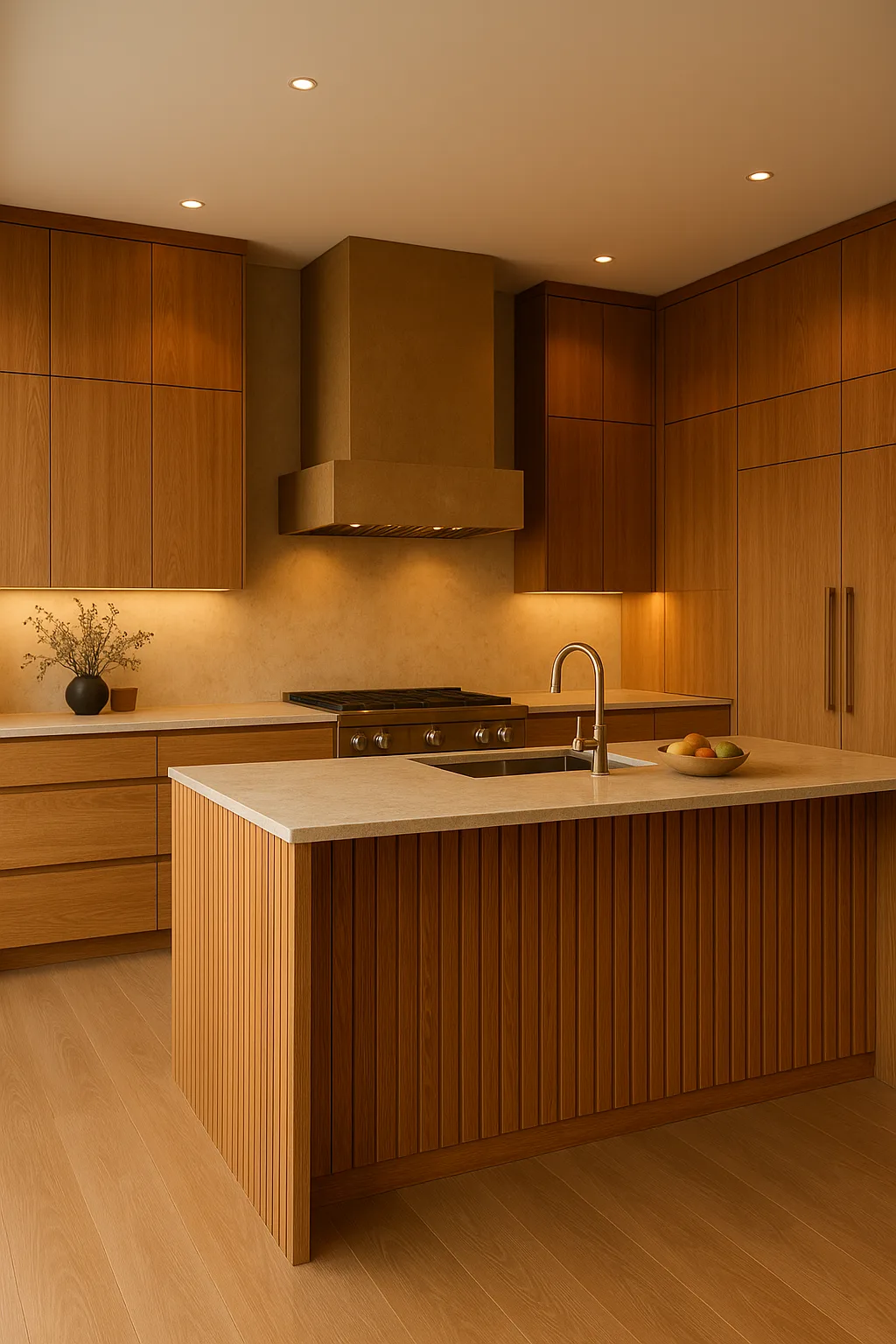
For most Niagara homeowners, I recommend quartz on the perimeter counters and a contrasting material on the island. This combination gives you the low-maintenance durability where you need it most (around the sink, stove, and primary prep area) while adding warmth and character with butcher block or visual drama with marble on the island.
This mixed-material approach is also one of the strongest current design trends — it creates visual interest and avoids the monotony of a single surface across the entire kitchen.
Whatever you choose, see the material in person before committing. Online photos do not capture the depth, texture, and colour variation of natural materials. I recommend visiting stone yards and showrooms in the Niagara/Hamilton area where you can see full slabs, not just samples.
Contact JVR Complete for a kitchen design consultation where we can discuss materials, layout, and design direction for your specific space.