“Do I need a permit for this?” is one of the most common questions I hear from Niagara homeowners. The answer depends on the scope of work, and understanding the distinction matters more than many people realize.
A building permit is not bureaucratic overhead. It is a legal mechanism that protects you — the homeowner — from substandard work that could affect your family’s safety, your insurance coverage, and your property value.
What Requires a Building Permit in Ontario
Under the Ontario Building Code, the following work requires a building permit:
Structural Work
- Removing or modifying load-bearing walls
- Installing support beams (LVL, glulam, steel)
- Foundation repairs or modifications
- Floor joist reinforcement or replacement
- Adding a new room or building addition
Plumbing
- Relocating existing fixtures (toilet, sink, shower)
- Adding new plumbing fixtures
- Modifying drain, waste, or vent piping
- Installing a new bathroom in a location that did not previously have one
Electrical
- Adding new electrical circuits
- Upgrading the electrical panel
- Moving or adding outlets in certain circumstances
- Installing new dedicated circuits for appliances
Windows and Openings
- Installing new egress windows (especially for basement bedrooms)
- Enlarging or creating new window or door openings in exterior walls
- Any modification that changes the structural opening size
Secondary Suites
- Converting a basement to a legal rental unit
- All secondary suite construction requires comprehensive permitting including fire separation, egress, plumbing, and electrical
What Typically Does NOT Require a Permit
These common renovation activities generally do not require a building permit in Ontario:
- Replacing kitchen cabinets (same location, no plumbing or electrical changes)
- Installing new countertops
- Replacing flooring
- Interior painting and wallpaper
- Replacing existing plumbing fixtures in the same location (swapping a toilet for a new toilet)
- Replacing existing electrical fixtures (swapping light fixtures, outlets)
- Non-structural interior wall finishes (drywall, tile on existing walls)
- Replacing windows with the same size in the same opening (no structural modification)
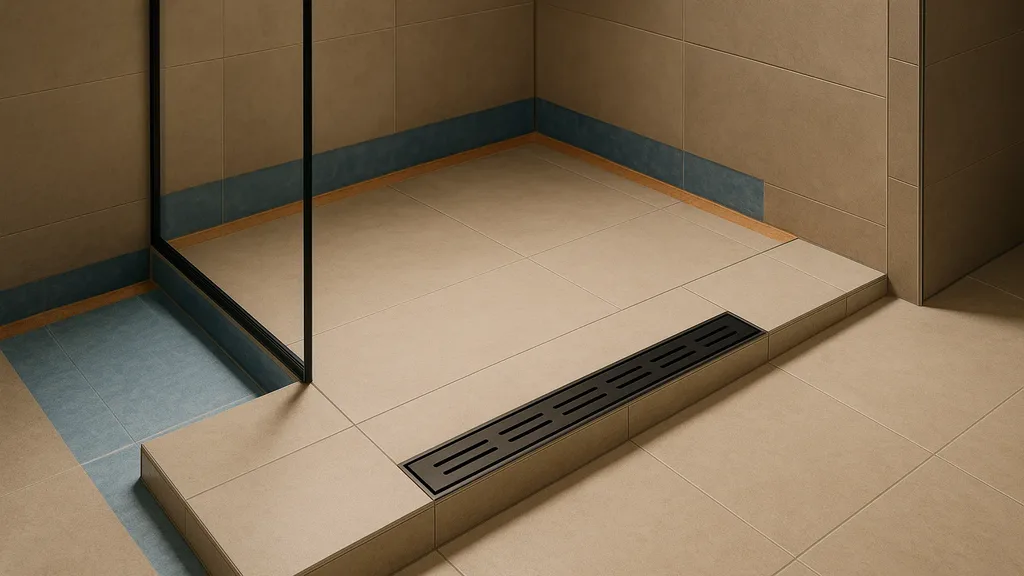
Important caveat: even non-permit work must still comply with the Ontario Building Code. A tile installation does not need a permit, but it still must meet waterproofing standards.
The Building Permit Process in the Niagara Region
Application
The contractor (or homeowner) submits a permit application to the local municipality — the City of St. Catharines, Town of Niagara-on-the-Lake, City of Niagara Falls, or whichever municipality the property is in. The application includes:
- Completed application form
- Site plan showing the property and proposed work location
- Construction drawings detailing the scope of work
- Structural engineering drawings (if applicable)
- Applicable fees
Review
The municipality reviews the application for compliance with the Ontario Building Code, local zoning bylaws, and any applicable heritage requirements. Residential permit reviews in St. Catharines typically take 10-15 business days.
Issuance
Once approved, the permit is issued and must be posted visibly at the job site throughout construction.
Inspections
At specific stages of construction, the municipality sends a building inspector to verify the work meets code requirements. Common inspection stages include:
- Footing/foundation (before concrete is poured)
- Framing (before drywall is installed — the inspector needs to see the structure)
- Plumbing rough-in (before walls are closed)
- Electrical rough-in (before walls are closed)
- Insulation (before drywall)
- Final inspection (after all work is complete)
Each inspection must be passed before work can proceed to the next stage.
Why Unpermitted Work Is Dangerous
Safety Risks
Unpermitted structural work may not meet code requirements for load capacity, fire resistance, or seismic standards. Unpermitted electrical work is a leading cause of residential fires. Unpermitted plumbing can result in water damage, mould growth, and sewage issues.
Insurance Implications
If damage or injury results from unpermitted renovation work, your homeowner’s insurance may deny the claim. Insurance policies typically require that modifications to the home comply with applicable building codes.
Sale Complications
When you sell your home, the buyer’s lawyer will compare the property’s building records with its current condition. Unpermitted additions, bedrooms, or secondary suites that show up during a home inspection create serious problems:
- The buyer may demand a price reduction
- The buyer may require you to obtain retroactive permits (which means opening finished walls for inspection)
- In worst cases, the buyer may walk away entirely
Legal Liability
Under the Ontario Building Code Act, performing work without a required permit can result in fines of up to $50,000 for individuals and $100,000 for corporations, plus potential imprisonment.
The JVR Complete Approach
At JVR Complete, I handle the entire permit process for every project that requires one. This includes:
- Determining which permits are needed for your specific scope of work
- Preparing and submitting the application with all required documentation
- Coordinating all inspections at the appropriate construction stages
- Addressing any inspector concerns and ensuring all work passes inspection
- Providing final permit documentation upon project completion
The permit process is included in the project scope — it is not an add-on fee. It is simply part of doing the job correctly.
If you have questions about permit requirements for a planned renovation in the Niagara Region, contact JVR Complete for guidance.