When most people search for a contractor, they are looking for someone who can execute a plan. They have a rough idea of what they want — new cabinets, updated tile, a finished basement — and they need someone with the skills and tools to make it happen. There is nothing wrong with this approach. A good contractor delivers what the client specifies, on time and on budget.
But there is another approach. One that consistently produces dramatically better results. And it starts with a different kind of relationship.
The Contractor Model
A traditional contractor relationship looks like this:
- You describe what you want
- The contractor quotes the work
- The contractor builds what you described
- You get what you asked for
This model works when you already know exactly what you want and have the design experience to specify every detail — from cabinet profiles to hardware finishes, from tile patterns to grout colours, from lighting placement to electrical outlet locations.
The problem is that most homeowners are not interior designers. They know what they like when they see it, but they do not have the vocabulary or experience to articulate a complete design vision. So they end up choosing safe, generic options because they do not know what else is possible.
The Renovation Partner Model
A renovation partner does everything a traditional contractor does — and then goes further:
- You share your goals, lifestyle, and aesthetic preferences
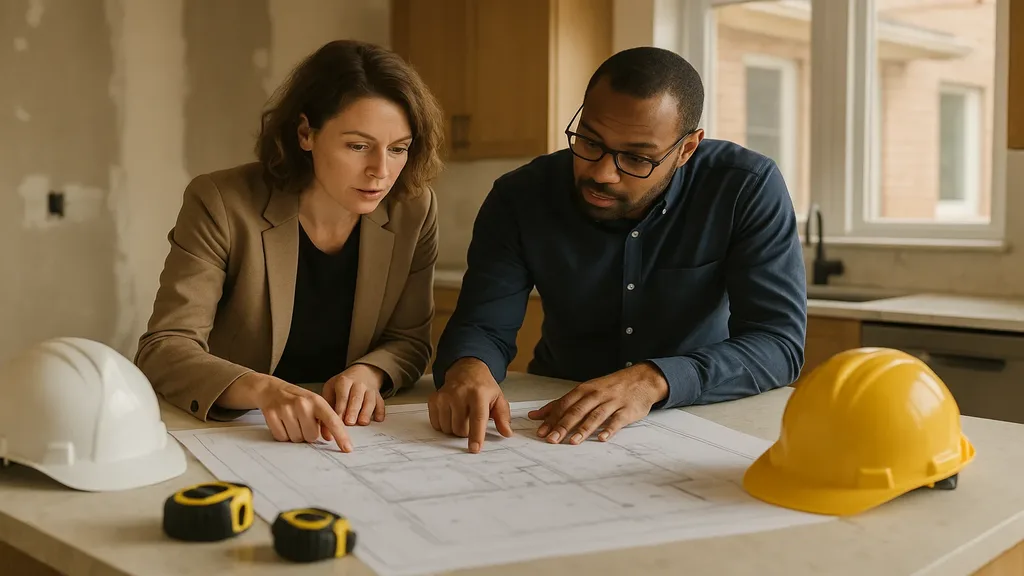
- The partner assesses your space and proposes a design vision
- Together, you refine the plan through collaborative discussion
- The partner builds a result that exceeds what you originally imagined
- You get more than you asked for
The distinction is subtle but the outcomes are dramatically different.
What This Looks Like in Practice
Here is a real example from a recent kitchen renovation in St. Catharines. The client’s brief: “We want new white cabinets, quartz countertops, and a subway tile backsplash.”
A traditional contractor would have delivered exactly that. White shaker cabinets, a standard quartz slab, and a running-bond subway tile backsplash. Clean, functional, and forgettable.
Here is what I suggested instead:
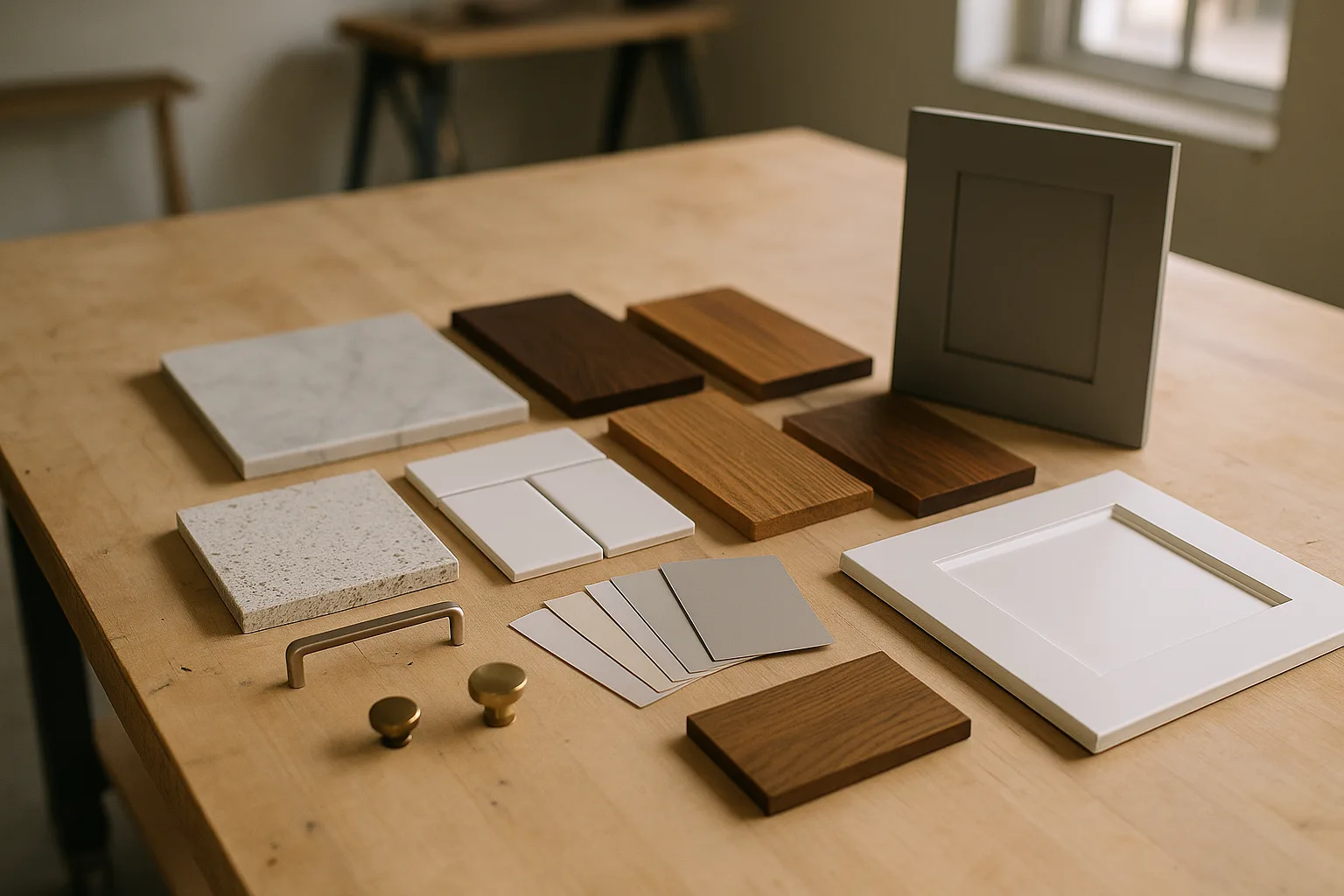
- Two-toned cabinetry — white uppers with a deep navy island — to add depth and character
- Quartz countertops with subtle veining that mimicked natural marble without the maintenance concerns
- A vertical-stack subway tile backsplash rather than horizontal, creating a modern, elongated look that drew the eye upward and made the 8-foot ceilings feel taller
- Brushed brass hardware instead of the chrome they assumed they wanted — creating warmth against the cool white and navy
- Under-cabinet LED lighting on a dimmer circuit, transforming the backsplash into a design feature at night
The clients had not considered any of these details. They had never heard of two-toned cabinetry or vertical-stack tile. But when they saw the design come together, they were thrilled. The kitchen looked like it belonged in a design magazine, not a cookie-cutter builder’s model.
The Value of Being Challenged
Good design often means being told, respectfully, that your first idea is not your best idea. A renovation partner is not afraid to say:
- “That tile is beautiful, but in this light it will look grey instead of blue. Let me show you an alternative.”
- “If we move the island six inches north, we can add a seating overhang that transforms it into a breakfast bar.”
- “Your hardware choice is classic, but it conflicts with the modern cabinet profile. Here is what I would recommend instead.”
This requires trust. And trust is earned through demonstrated expertise, honest communication, and consistently delivering results that exceed expectations.
How to Find the Right Partner
When interviewing contractors for your next renovation, pay attention to how they respond to your ideas:
- A contractor says: “Sure, we can do that.”
- A renovation partner says: “We can definitely do that. Have you also considered this alternative? Here is why it might work better for your space.”
Look for someone who asks about your lifestyle, not just your budget. Someone who brings photos and material samples to the consultation. Someone who has opinions about design and is not afraid to share them.
The JVR Complete Approach
At JVR Complete, design consultation is not an add-on service — it is built into every project. I believe homeowners deserve more than execution. They deserve a partner who brings creative vision, technical knowledge, and genuine passion for making their home extraordinary.
If you are planning a renovation in the Niagara Region, I would love to show you what a partnership approach can do. Contact us to start the conversation.